Service — Custom Software
Custom Software Development in Ethiopia
Custom software is built around how your business works, instead of forcing you into someone else's tool. Rylo builds custom and management software in Addis Ababa: inventory, sales, HR, bookings and reporting. You own the code and every login. Each project begins with a free audit and a written scope.
01Work
Software we have built.
Two web applications we designed, built and handed over. They show how we build systems that store records, run accounts and workflows.
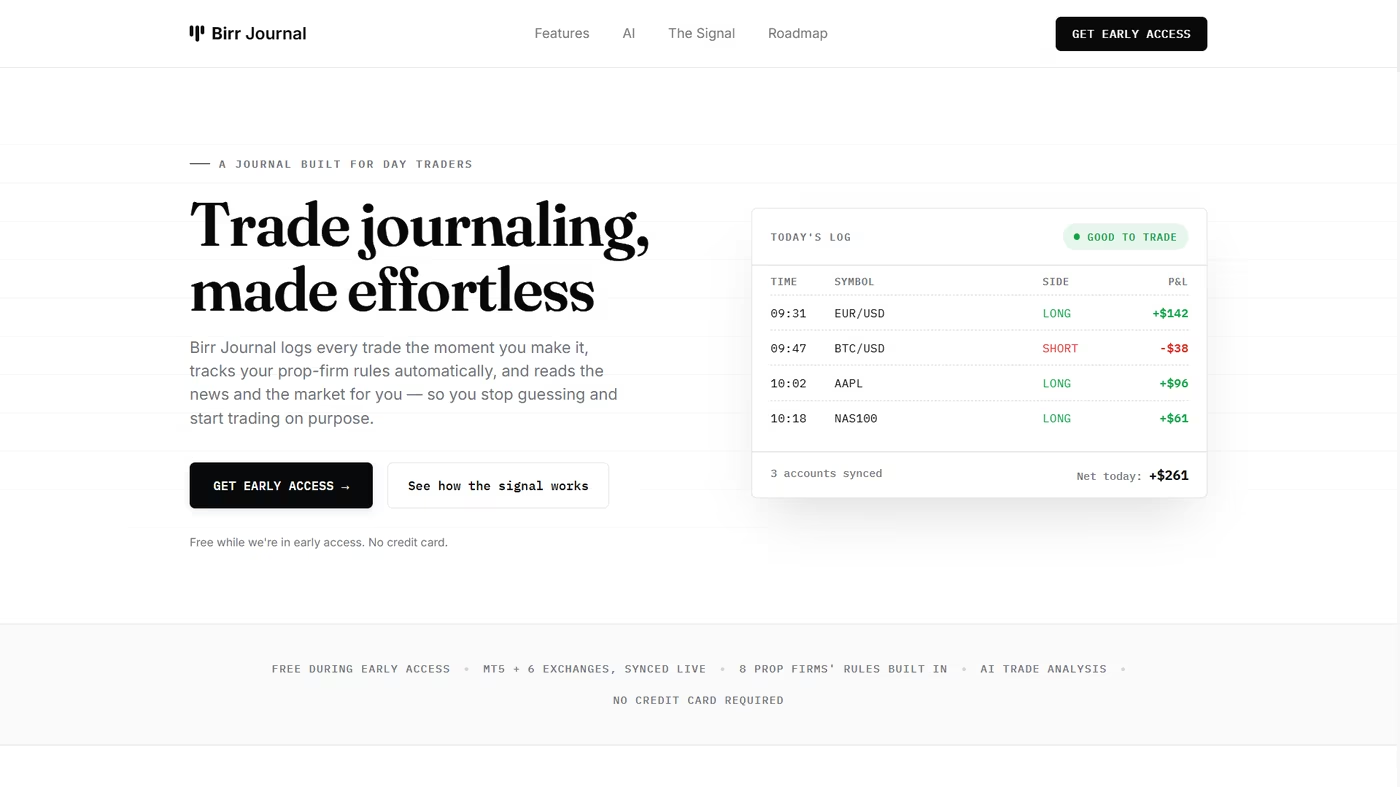
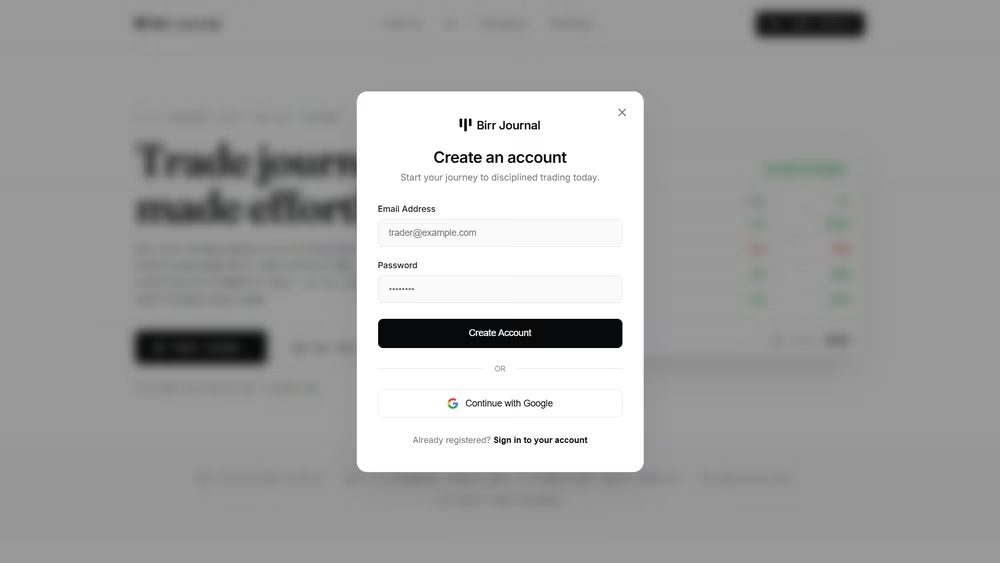
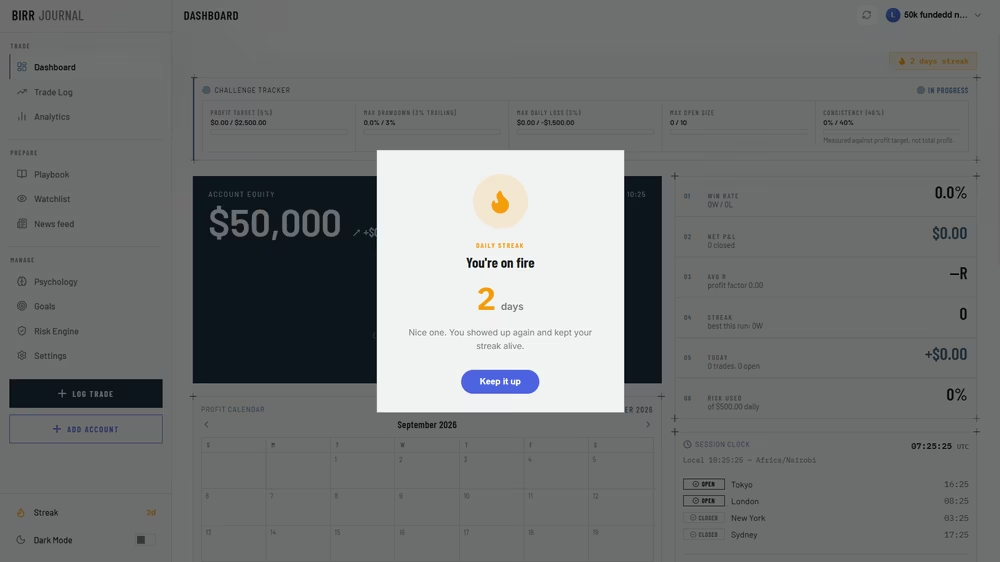
Birr Journal
A trade journal for day traders that logs every trade the moment it happens, tracks prop-firm rules automatically, and reads the news and the market with AI, so the trader spends less time on spreadsheets and more time trading on purpose.
- MT5 + 6 exchanges synced
- 8 prop firms' rules built in
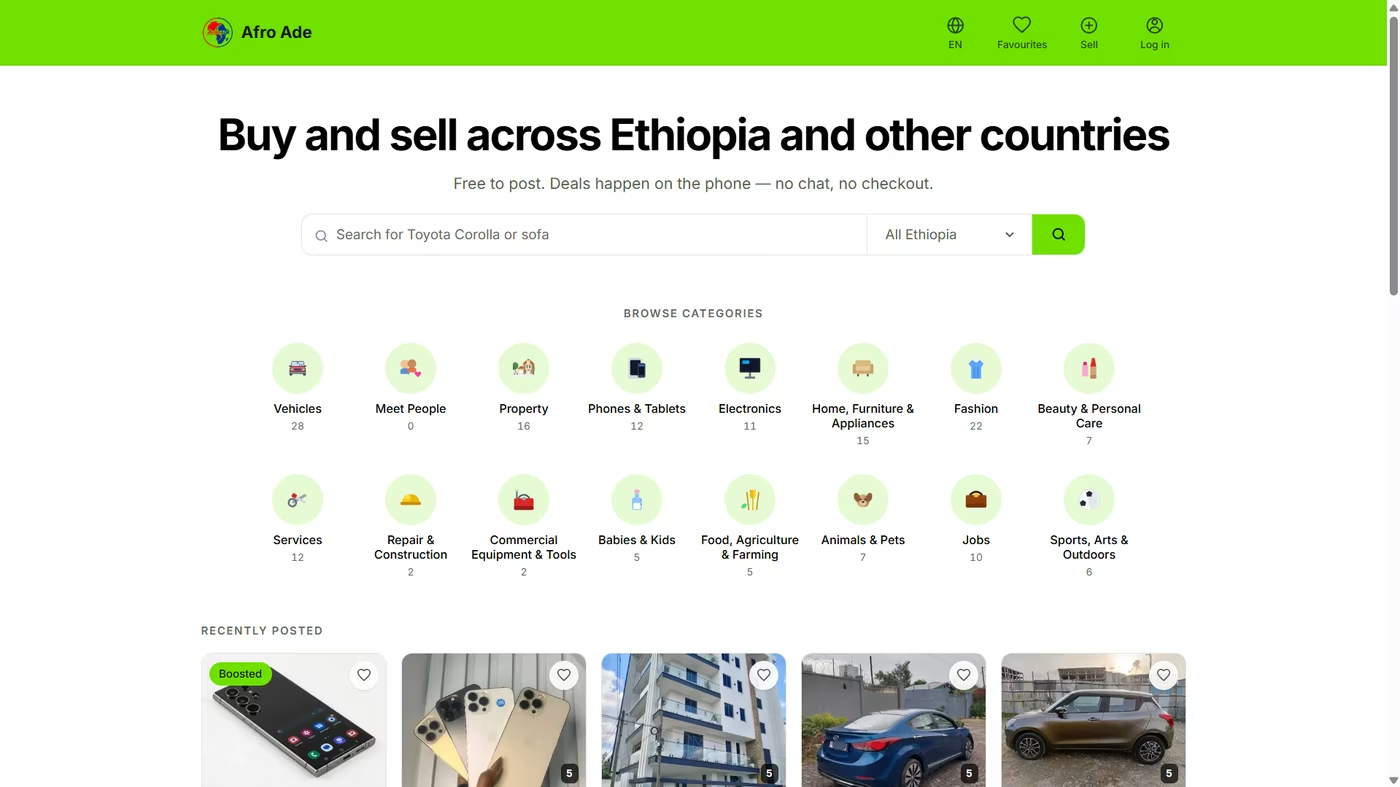
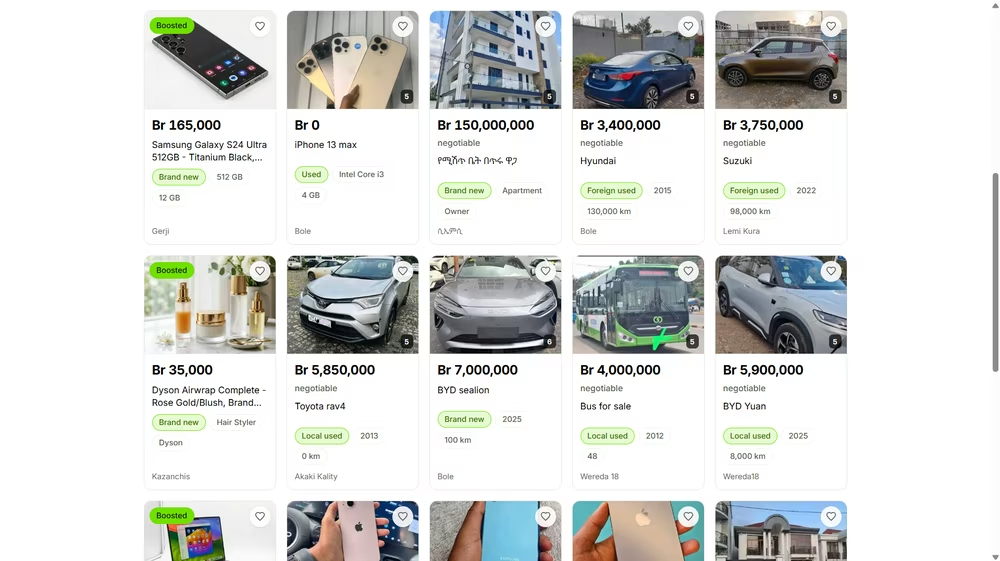
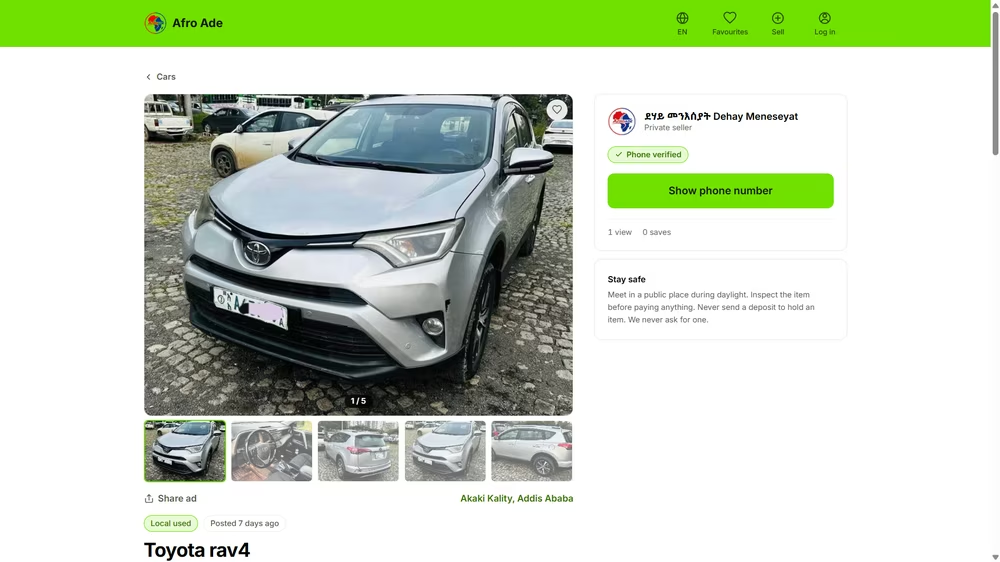
Afro Ade
A classifieds marketplace for buying and selling across Ethiopia and beyond. Free to post, organised into clear categories, with phone verification on sellers — the deal happens on a call, not inside a checkout.
- 16 categories
- Phone-verified sellers
02Problem
Where does your process break today?
Most custom software starts with one repeated, painful job: stock counted twice, orders retyped between systems, reports compiled by hand each month. We begin by watching that job as it happens today, then decide what the smallest useful first release would be.
03Choice
Custom software or off-the-shelf?
01
Off-the-shelf fits when
Your process is common, the tool is affordable and your team can adapt to it. Then buying is cheaper and faster, and we will say so.
02
Custom fits when
Your workflow is what makes you different, existing tools force workarounds, or you need several systems to share the same data.
03
Often it is a mix
Configure what exists, connect it with the tools you already pay for, and build only the missing parts. The free audit gives you a written recommendation.
04What we build
What management software can we build?
01
Inventory and stock
Items, locations, movements and low-stock alerts, so counts match what is on the shelf.
02
Sales, quotes and invoices
Quotes that turn into orders and invoices without retyping, with payment status in view.
03
HR and staff records
Staff files, leave and simple payroll inputs in one place.
04
Bookings and appointments
Hotels, clinics, salons and service teams: availability, confirmations and reminders.
05
Dashboards and reports
The numbers owners and managers ask for each week, without compiling them by hand.
06
Integrations
Connecting the tools you already pay for, so the same data is never typed twice. Amharic and English screens and local payments such as Telebirr and Chapa are designed in where the system needs them.
05Connectivity
Can the system work on a slow or unreliable connection?
We test our builds on real phones and slow connections. If your staff work where internet is unreliable, we scope which parts must keep working offline and how they sync later during the audit, rather than promising it for everything.
06Process
How do we scope and price a first release?
01
Free audit
We learn what breaks today, who uses the system and how success is measured.
02
Written scope
A complete first release, a fixed price and a timeline, usually within two working days of the audit. Custom software is priced to scope.
03
Build and review in stages
You see working versions as they are built and decide before we expand.
04
Launch and support
Handover with every credential, recorded training, then maintenance: updates, backups, monitoring and security patching.
07Ownership
Who owns the code, hosting and data?
You do. The repository is created under your organisation with you as admin from the first day, and the hosting and data sit in accounts you control. We hand over every credential at launch, so you can change developer at any time without asking us.
08Questions
Custom software questions.
It depends on scope. A single focused tool can be ready much sooner than a system with many modules, and delays most often come from waiting for decisions and data rather than from building. The free audit produces a written scope with a fixed timeline and price before anything starts, so you know the timeline before you commit.
Cost depends on the number of users and roles, the number of modules, integrations with other tools, data migration and how much training your team needs. We price custom software to scope after a free audit and agree a fixed price in writing before the build begins, so there are no surprises later.
No. You need to show us where the work breaks today and what a good result looks like. We turn that into the written scope ourselves, in plain language, and review it with you. You approve the scope, price and timeline before anything is built, and changes after that are agreed in writing.
Yes, and we usually recommend it. A first release that does one job well gets used, and what your team learns from using it shapes the next module. We plan the foundation so later modules can be added without rebuilding, then agree each addition as its own scope.
Often, yes. We review the code and hosting first. If the system can be extended safely, we build on it. If patching it would cost more than replacing it, we say so plainly with the reasoning, as we do for websites, and let you decide what to do next.
09Guides
Related guides.
How to Choose a Web Developer in Ethiopia
Building Fast Websites in Ethiopia: A Practical Guide
Ethiopian Payment Gateways 2026: Telebirr, Chapa & More
Related services: CRM software, EMR software, web development and AI & automation.
Next step
Book a Free Software Audit
Show us the job that breaks today. We will come back with a fixed scope, price and timeline within two working days.